

Why You Should Hire a Gas Central Heating Engineer Near Me
When heat-producing appliances have not been installed or serviced correctly, there is a risk of explosions, fires, and carbon monoxide poisoning. You should hire a tradesperson with multiple skills.
Heating engineers and plumbers can perform a variety of jobs, but you'll need to find one that's Gas Safe registered. If they're not registered, they're working illegally and could put you at risk.
Qualifications
A gas central heating engineer is a tradesperson that specializes in the installation, repair, and servicing of gas appliances in domestic and commercial settings. They employ a variety of tools and equipment to diagnose problems, repair or replace parts, and follow strict safety protocols. They can also install boilers, wall heaters, gas cookers and other appliances.
Before you hire an engineer for central heating it is crucial to check their qualifications. gas engineer certificate must have the gas safe registration number and be registered with the proper body for carrying out gas work in your home. Examine their Gas Safe ID Card. It should have the date of their certification along with an unique registration number. If you are unsure, ask for this number before allowing them to enter your home.
Gas engineers must complete a full apprenticeship and be registered with the Gas Safe Register. This ensures they have the necessary skills and knowledge to carry out work safely and professionally. They must also be able to pass a written examination and pass a practical test. This is usually done at the end of the course. Students who fail the test are not awarded a certificate, and they are not able to continue their education.
Many people fall into the trap of believing that a plumber and a gas engineer are one and the same. However, there's an important distinction between the two. A gas engineer will specialize in heating systems, such as new radiators and boilers while a plumber can handle any water-related task like leaking pipes.
A gas central heating installer can advise you on which boiler is suitable for your home, and ensure that it complies with Building Regulations. They can also be capable of suggesting ways to cut down on energy usage like insulation. In addition, they can also help you choose a system that is compatible with your current appliances and gas supply.
A competent central heating engineer will be able to offer an annual service for your boiler and other gas appliances. They will conduct a series of checks to ensure they're working correctly and safely. They will provide you with a report that contains the results of their inspection. This is a valuable record to keep, and will help you keep track of the next time you require another service in the future.
Experience
Gas engineers are usually specialized in particular areas of work. Some engineers specialize in boiler repairs, while others are skilled in installing new appliances or systems. It's partly because there are subtle differences between different kinds of appliances and systems, so it is important that your engineer has knowledge in all areas.
Examine their Gas Safe ID Card to see if they are competent to perform the task you need. It is an obligation of law to hire only those who have this card. There are serious consequences, such as carbon monoxide poisoning, if a heat-producing appliance is not properly fitted or serviced.
The duration of work experience can have an important impact on the salary. Other factors, such as education level, could influence the amount you earn. Check out the Professional Salary Report to find out how much this job will pay. The site provides salary data on a variety of jobs across various industries and career sectors. The information is provided directly by employers and verified by industry experts.
Insurance
It goes without saying that working in a gas-based environment can be hazardous and although many heating engineers take every care to work in a safe and secure manner, accidents can happen. That's why it's important for heating engineers to have appropriate insurance policies to safeguard themselves and their customers. Public liability insurance is one of the many policies heating engineers should consider. This type of insurance will pay out in the event that the work performed by a heating engineer causes injury or property damage to a member (client or pedestrian) of the public.
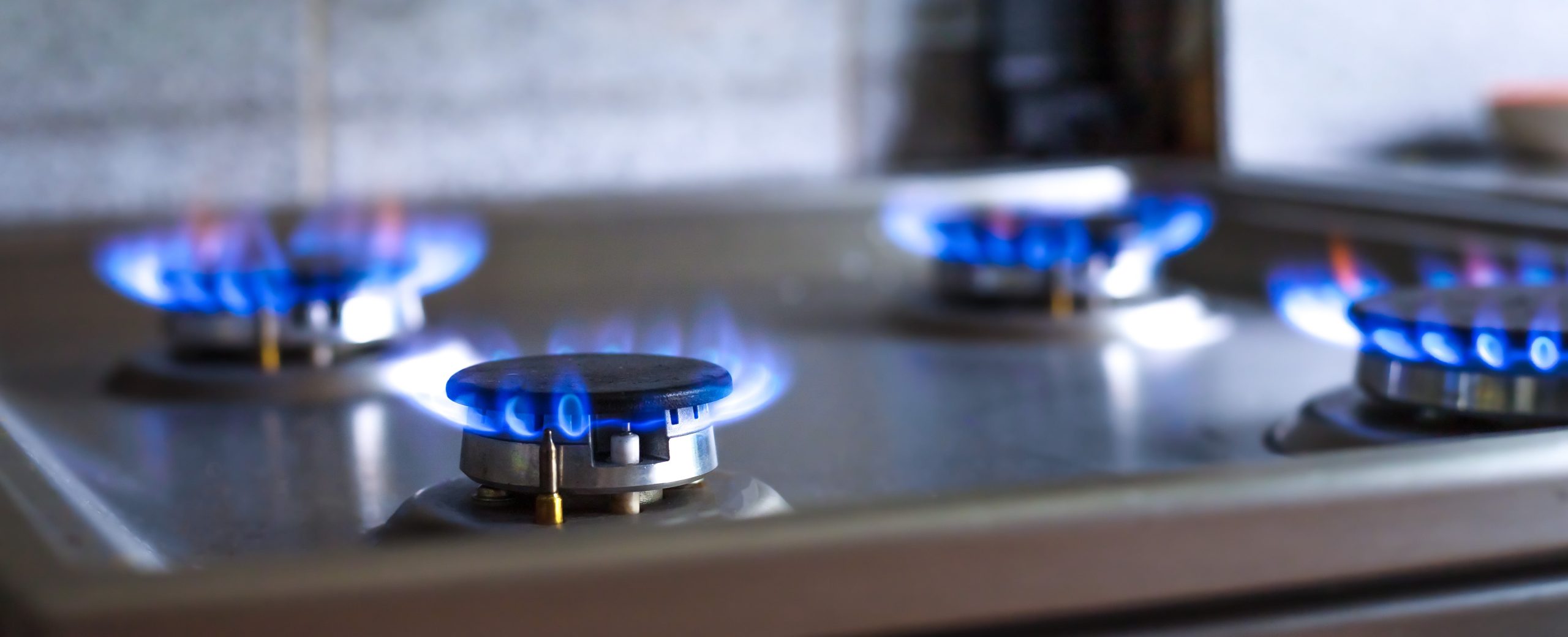
Insurance for professional indemnity is another important policy for gas fitters to think about. This kind of insurance is paid in the event that your advice causes in injury, damage or loss to your customer. This type of policy is often included in your public liability insurance for heating engineers, however it can also be purchased on its own.
Tools insurance is an excellent addition to any heating engineer's insurance portfolio since it pays out if your tools are stolen from your van or other work vehicle. This is a problem that occurs frequently for many tradespeople and it's worth getting a separate policy to safeguard your tools.
It is a legal requirement for all Gas Safe registered heating engineers to be fully insured and have their information on record. You can look up the record online to confirm whether your heating contractor is insured prior to deciding to book them to do any work at your home.